The Visual Language of Commerce: How Icon Sets Enhance Shopping and Payment Experiences
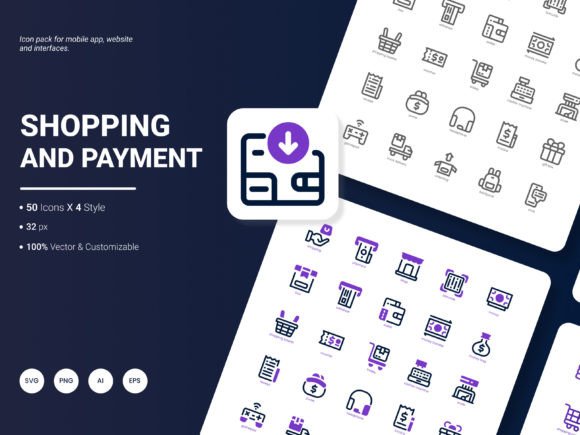
In the digital marketplace, clarity and speed are paramount. Users navigate through complex flows of product selection, cart management, and financial transaction with the expectation of intuitive guidance. This visual communication is often powered by a library of symbols—icons—that act as a universal shorthand. A dedicated Shopping and Payment Icon Pack serves as a foundational toolkit for designers and developers aiming to build these seamless experiences.
The Core Components of a Transactional Icon Set
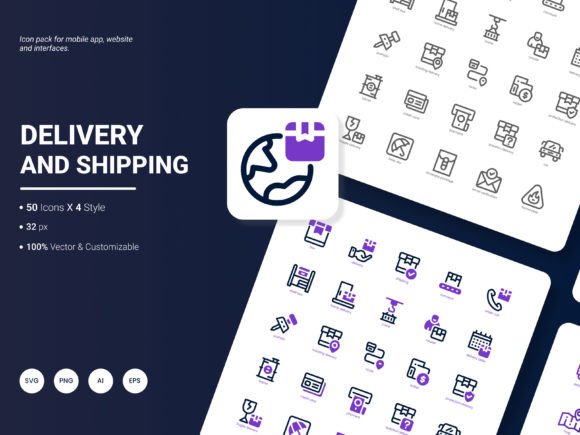
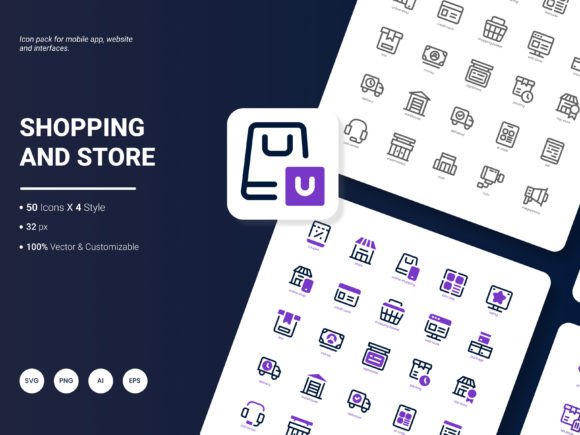
A comprehensive pack for commerce and finance typically encompasses symbols for every stage of the user journey. This includes icons representing products and categories, actions like adding to a cart or saving for later, payment method logos, and status indicators for orders and shipments. The value lies not just in the quantity, say 200 icons, but in the thoughtful coverage of popular services and ideas. From universal symbols like a shopping bag to brand-specific logos for payment processors, the set provides a ready-made vocabulary.
File Format Flexibility and Design Control
The practical utility of such a pack is greatly expanded by its availability in multiple formats. Common inclusions are vector formats like AI, EPS, and SVG, which allow for infinite scaling and easy editing without loss of quality. Raster formats like PNG, JPG, and PDF offer ready-to-use assets for specific contexts. This multi-format approach means the same icon can be flexibly integrated into a responsive website, a mobile application interface, a printed analytical report, or a slide in a business presentation.
Real-World Applications Across Industries
The use cases for a well-designed commerce icon pack are vast and cross-disciplinary.
- Website Design: E-commerce platforms rely heavily on icons to create clear navigation. A familiar cart icon immediately signals where a user's selections are stored, while a credit card symbol denotes the checkout area. This reduces cognitive load and streamlines the path to purchase.
- Mobile Applications: With limited screen space, icons are crucial. They replace lengthy text labels for actions like 'wishlist' or 'share', making app interfaces cleaner and interactions faster. A trendy, fresh icon style can also contribute significantly to an app's modern aesthetic.
- Educational and Analytical Content: Educators creating materials on economics or researchers presenting consumer behavior data use icons in infographics and reports. A visual representation of 'payment gateway' or 'inventory' makes complex information more accessible and engaging for a broad audience.
- Business Templates and Prototyping: Hobbyists building a small online store or entrepreneurs pitching a new retail concept can use these icons in templates to quickly mock up interfaces or create professional-looking pitch decks without extensive design resources.
The Advantage of a Unified and Editable Set
Procuring icons individually or from disparate sources leads to visual inconsistency—varied line weights, differing color palettes, and mismatched styles. A cohesive pack offers 4 consistent styles, ensuring that all symbols feel part of the same family. This uniformity builds trust and professionalism in a user interface. Furthermore, the editable nature of the vector assets is a key advantage. Designers can adjust colors to match a brand palette, modify shapes slightly to fit a unique layout, or combine elements to create a new, context-specific symbol.
Integrating Icons into User Experience Workflows
The implementation of these icons goes beyond mere decoration. They are functional elements that influence usability. For instance, the placement and design of a 'secure payment' icon next to a checkout button can alleviate user anxiety. An animated icon showing a package moving during a shipping status update provides positive feedback and reduces support queries. The choice of icon style—perhaps a minimalist outline for a sophisticated brand or a filled, colorful style for a youthful marketplace—directly supports the overall brand narrative and emotional connection.
Considerations for Selection and Use
When choosing or using an icon pack for shopping and payment contexts, several factors merit attention. Cultural relevance is important; some symbols may not be globally understood. The technical implementation matters, especially ensuring SVG icons are optimized for web performance. Also, while the pack covers popular ideas, unique business models might require custom icons. This is where the editable foundation of a good pack proves invaluable, allowing for extension and adaptation.
The ongoing evolution of commerce means icon needs change. New payment methods emerge, retail technologies advance, and consumer behaviors shift. Feedback for future updates to such a pack might include icons for emerging concepts like decentralized finance (DeFi) payment symbols, icons representing augmented reality shopping experiences, or a wider set of logistics and fulfillment status indicators. Symbols for sustainability-focused commerce, such as carbon-neutral delivery or recycled packaging, are also gaining relevance.
Beyond Recognition: Building Trust and Efficiency
Ultimately, a high-quality Shopping and Payment Icon Pack does more than facilitate recognition. It contributes to a sense of efficiency and security. A user encountering a familiar, cleanly designed sequence of icons from product page to confirmation email feels the process is trustworthy and well-managed. For the creators—the designers, developers, business owners, and educators—it provides a reliable, versatile asset that speeds up production and elevates quality. By offering a comprehensive, stylistically consistent, and technically flexible set of visual tools, such a pack becomes an integral part of building the digital storefronts and financial touchpoints that define modern commerce.